Getting Around: Path Accessibility at Colclough Gardens
What you need to know about terrain, rest areas, and navigating the different sections at your own pace.

Planning Your Route
Colclough Gardens isn't just beautiful—it's genuinely manageable. We've mapped out everything you need to know about the terrain, where you can catch your breath, and how to explore at your own speed. The good news? You don't need to tackle the whole estate in one visit.
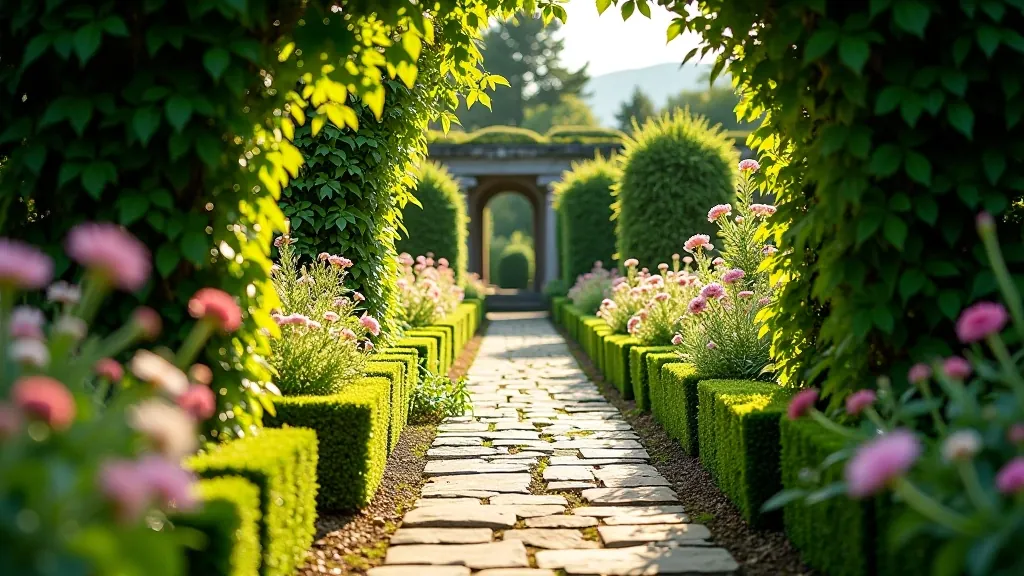
Most visitors are surprised by how well-designed these paths are. They weren't built yesterday either—some date back to the 1800s and they've been maintained specifically with accessibility in mind. That means proper drainage, consistent surface textures, and rest spots positioned exactly where you'll need them.
Understanding the Main Paths
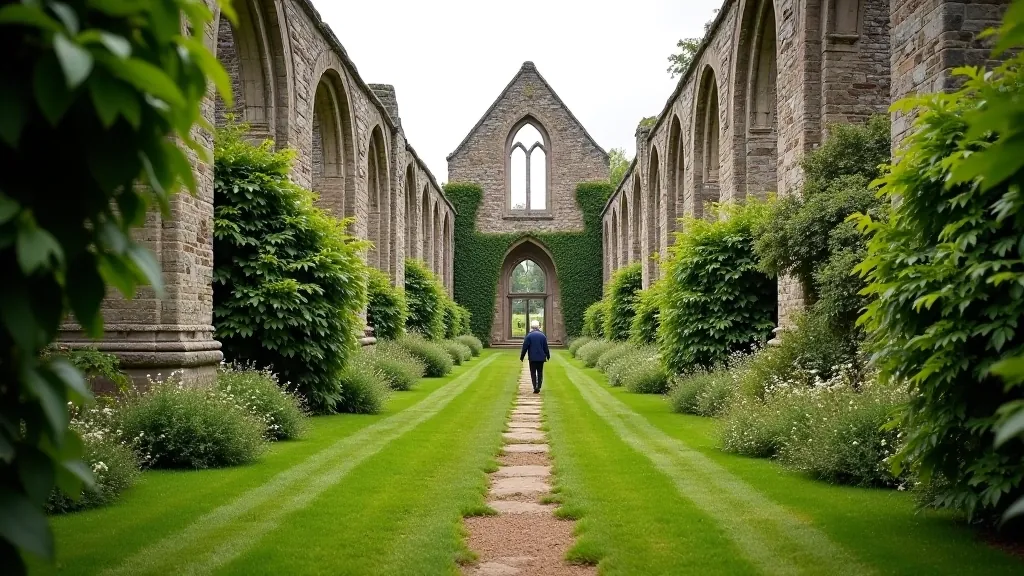
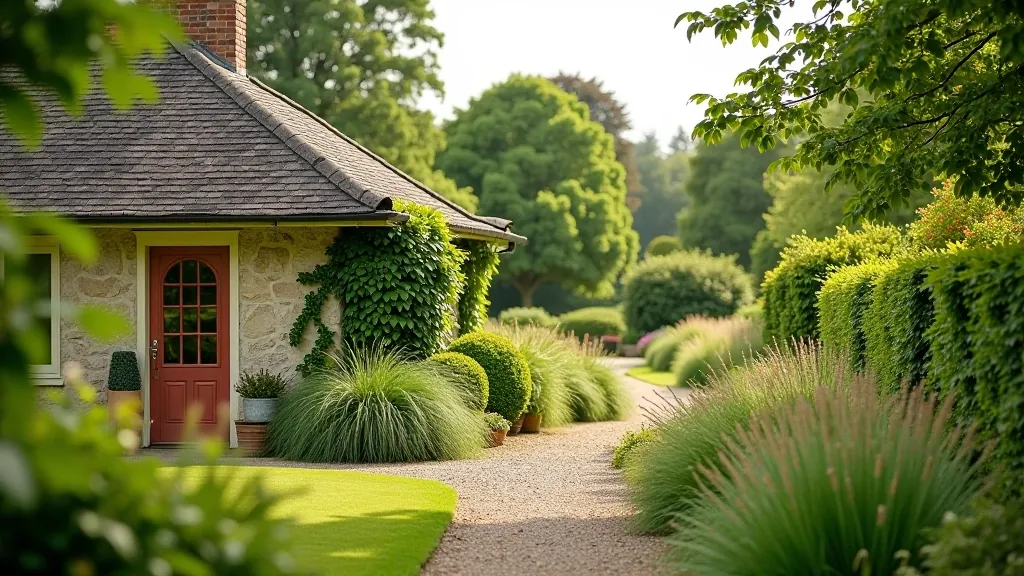
The estate has three primary walking areas, and they're not all created equal. The Upper Garden—that's the main formal section near the house—runs on fairly level ground. It's about 400 metres of walking if you explore the entire loop, but you can do it in sections.
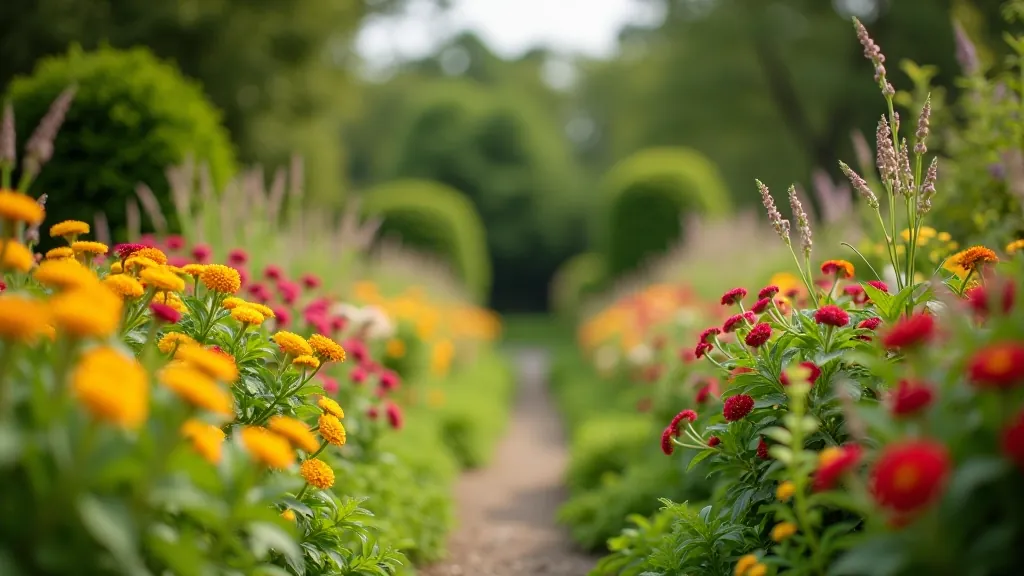
The Middle Garden drops slightly but the paths are solid. Wide enough for two people comfortably, and there's proper edging so you'll never wonder where the path ends. You'll notice the Victorian plantings here—they don't just look good, they actually break up the wind quite nicely.
- Upper Garden: Flat, formal layout, best for first visits
- Middle Garden: Gentle slope, excellent shelter from trees
- Woodland Walk: More uneven, but worth the effort if you're comfortable
The Woodland Walk is the one that catches people off guard. It's not steep—nothing here is steep—but the surface is more varied. Tree roots, packed earth, the occasional loose stone. It's the closest thing Colclough has to actual "rough" terrain, and honestly? It's still quite manageable. Just take your time.
Rest Areas & Facilities
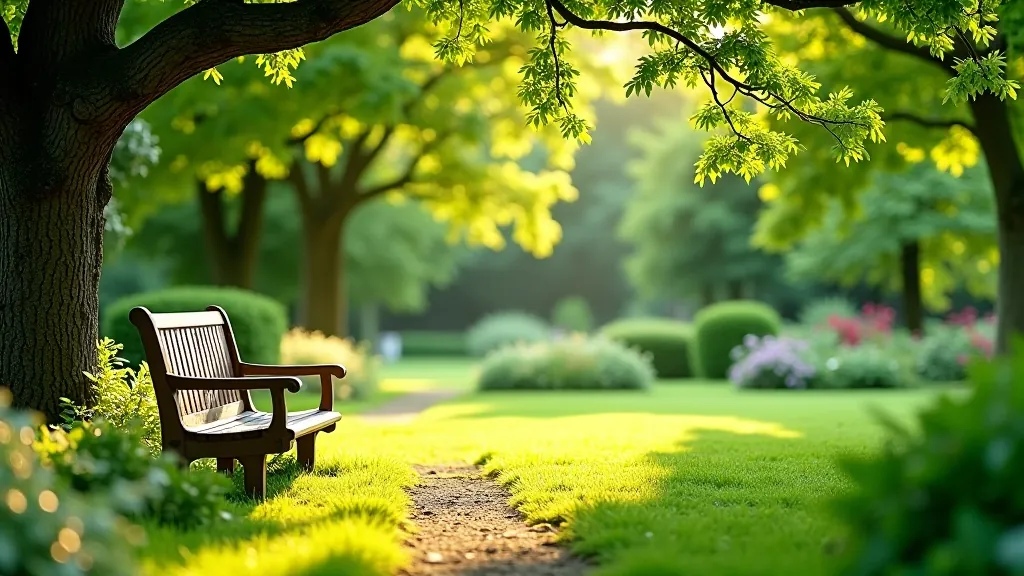
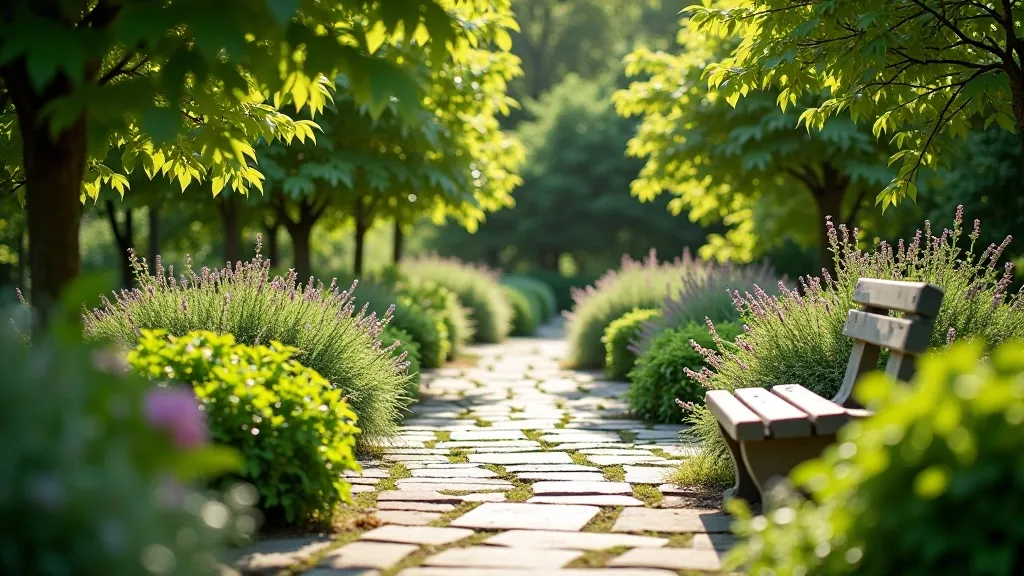
Here's where Colclough really shines. There are 12 benches scattered throughout the gardens, and they're positioned strategically—not just plonked randomly. You'll find one every 150-200 metres on the main routes, which means you're never far from a proper sit-down.
Most benches face into the gardens rather than out toward the paths, so you can actually enjoy where you are instead of just watching people walk past. The wooden ones are traditional—been there for decades. There's also a shelter pavilion near the Upper Garden entrance with a bench inside, so you can rest even if the weather's being temperamental.
Pro tip: The pavilion shelter also has a water fountain. It's not the fanciest setup, but it works. Bring a cup or use it directly—locals have been doing this for years.
The visitor centre has proper facilities—toilets, a small cafe with seating, and a place to get out of the weather entirely if you need it. Opening hours are 10am to 5pm most days, later in summer.
Important Information
This guide is for informational purposes and describes conditions as they typically are. Gardens are living environments—weather, seasonal changes, and maintenance can affect accessibility. We recommend contacting the gardens directly at least a day before your visit to confirm current conditions, especially after heavy rain or during maintenance periods. If you have specific mobility concerns, the visitor centre staff can provide real-time updates on which sections are in optimal condition.
Surface Types & What to Expect
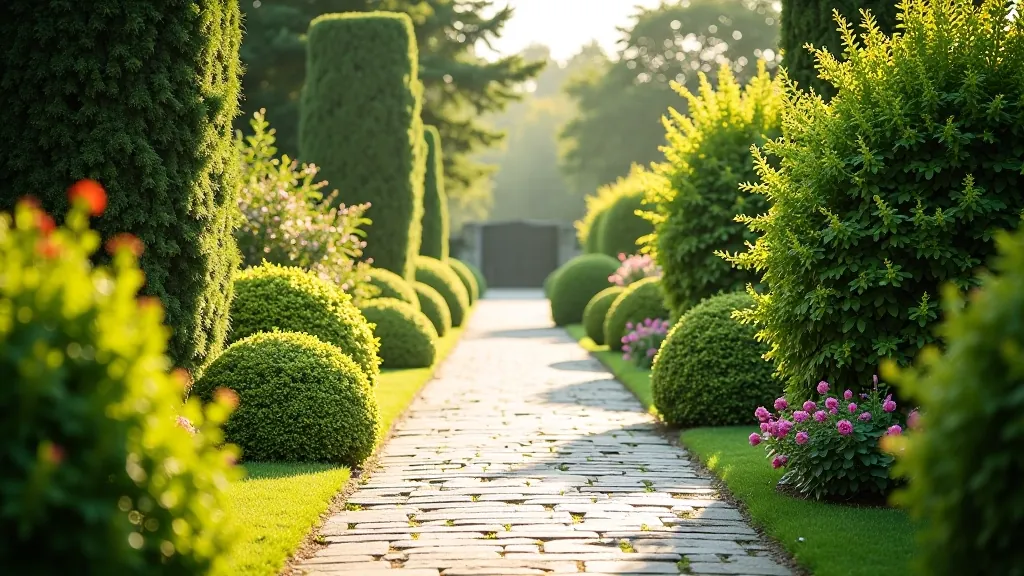
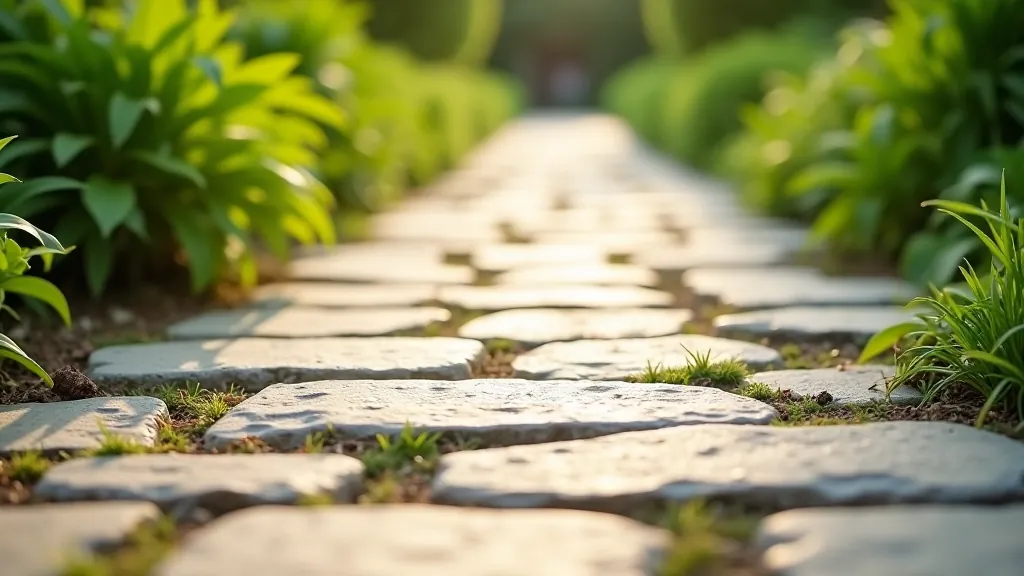
About 70% of Colclough's paths are compacted stone—the proper kind that's been rolled down and settled over years. It's firm underfoot, doesn't shift, and actually becomes more stable when it's damp. You won't sink into it. The surface is consistent, which matters if you're using a walking stick or need stability.
The remaining 30% is mixed. Some sections have been updated with proper asphalt—smooth, wide, excellent for anyone with mobility aids. These sections are clearly marked on the visitor maps. Then there's the woodland area we mentioned, which is natural earth with occasional tree roots and stones. It's not muddy even after rain because of the good drainage system installed years ago.
Slopes exist, but they're gentle. The steepest section is the approach to the Middle Garden, and it's probably about a 1 in 12 gradient—noticeable but not challenging for most people. Nothing like actual hills. If you're concerned about your knees, it's worth knowing that descending is usually easier than ascending in these gardens.
Practical Tips for Your Visit
Footwear Matters
Wear shoes with good grip. The paths are safe, but proper footwear makes a real difference. Avoid anything with a heel over 2cm. You're not climbing mountains, but you're also not on a flat shopping centre floor.
Timing Your Visit
Early morning or late afternoon means fewer visitors and better light for navigation. You'll also have your pick of benches. Weekday visits are quieter than weekends—something to consider if you prefer a more peaceful experience.
Get a Map
Pick up the visitor map at the entrance. It shows every bench, every path variation, and which sections have been recently maintained. Takes the guesswork out of planning your route.
Bring Water
There's a fountain, but bringing your own bottle is smarter. You'll be walking in open gardens—no shade everywhere. Even on cool days, staying hydrated makes a difference in how you feel afterward.
Visit With Someone
Even if you're confident walking alone, having someone with you means backup if you need to rest more than planned. Plus it's more enjoyable. The gardens are beautiful to share.
Check the Weather
Rain doesn't ruin the paths, but it can make them slicker. A good rain jacket is better than an umbrella anyway—frees up your hands. Windy days are actually nice because the trees provide shelter.
The Bottom Line
Colclough Gardens isn't trying to be something it's not. It's not a flat shopping centre, and it's not a challenging mountain hike either. It's a genuine historic garden with real character, maintained specifically so people like you can actually walk through it without it being an ordeal.
You'll see proper Victorian plantings that've been there for 150 years. You'll find quiet spots where you can just sit and breathe. And you'll manage it all at your own pace, with rest areas positioned exactly where you need them. That's accessibility done right—not as an afterthought, but built into the whole experience.
Plan a morning or afternoon, bring water, wear decent shoes, and take it slow. You're going to have a better time than you probably expect.