Seasonal Highlights: What's Blooming Right Now
A month-by-month guide to the best flowers and trees at Colclough Gardens and Tintern Abbey grounds

Spring Magic: March to May
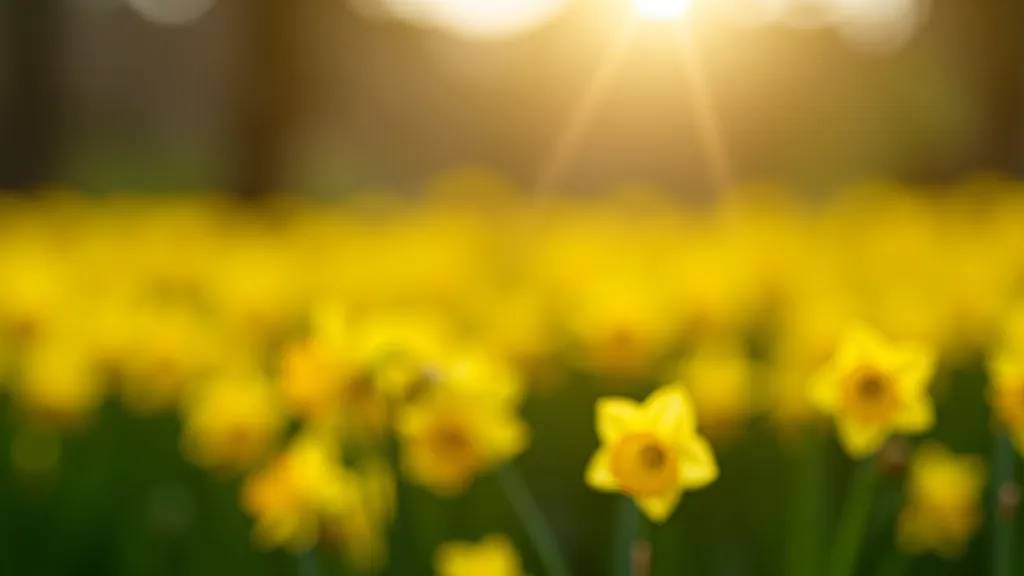
Spring transforms both gardens into carpets of color. You'll notice the snowdrops first — they're tiny but unmistakable, appearing as early as February in mild years. By March, the daffodils take over. We're talking thousands of them at Colclough, planted in drifts across the lower meadow.
April brings the real show. Tulips emerge in organized beds near the formal entrance, while the orchard's cherry and apple trees burst into blossom. At Tintern Abbey grounds, the magnolias create dramatic pink and white canopies that photographers queue for. Don't miss the bluebells if you're visiting mid-April through early May — they carpet the woodland paths in soft purple-blue.
- Peak daffodil season: late March to early April
- Bluebell walks: mid-April to early May
- Orchard blossom: April (weather-dependent)
- Best light for photography: early morning or late afternoon
Planning Your Visit
Bloom times vary year to year depending on weather, temperature, and rainfall. The dates in this guide are based on typical patterns observed over the last decade. We recommend checking with the gardens directly or following their social media for real-time bloom updates before planning your visit, especially if you're traveling a distance.
Summer Splendor: June to August
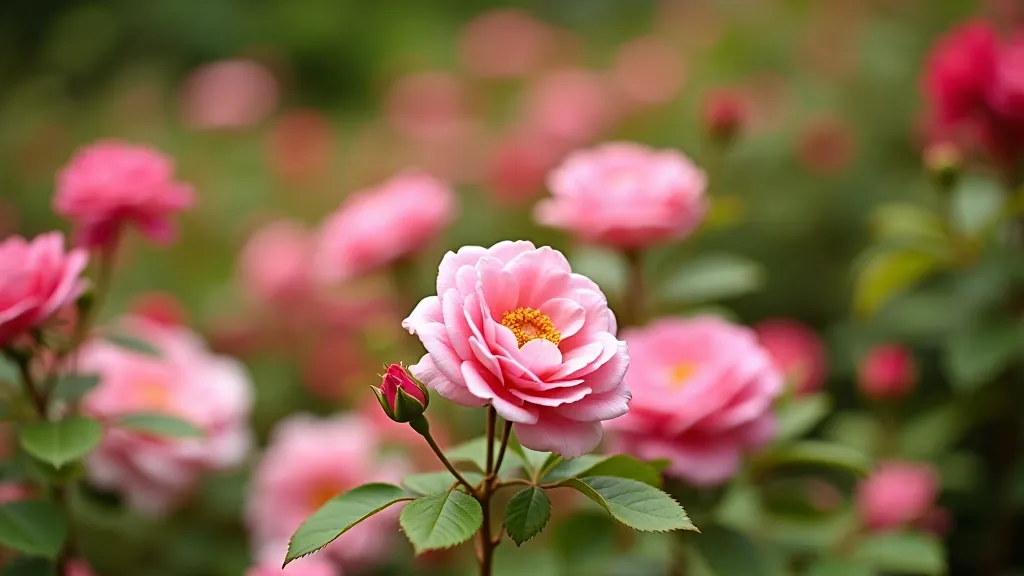
Summer's the busy season here — and for good reason. The rose gardens come into their full glory. Colclough has over 200 heritage rose varieties, many of them dating back 50+ years. They're planted in dedicated beds and along trellises. Some of these old varieties only bloom once a year (June-July), so if you're a rose enthusiast, don't miss that window.
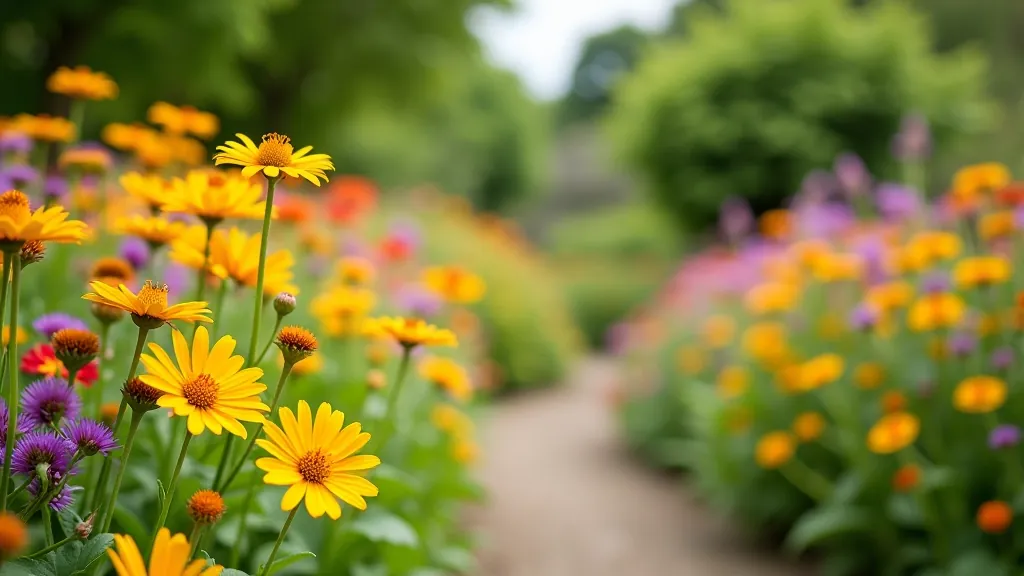
July and August shift focus to perennials. Lavender blooms profusely — the smell is intense on hot days. Delphiniums create tall blue spires. Hydrangeas, which started flowering in June, keep going strong. The orchard paths are at their quietest and shadiest now, which makes them perfect for a slower pace if you're visiting during a heatwave.
Tip: Visit early morning in July and August. The gardens open at 9am, and you'll have the space mostly to yourself before the afternoon crowds arrive.
Autumn Gold: September to November
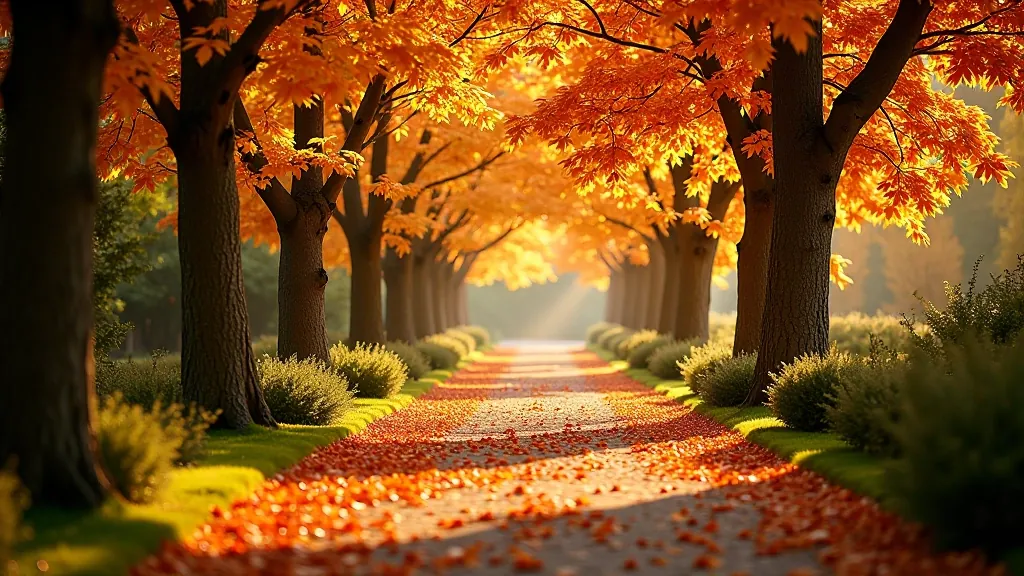
Autumn's underrated here. Yes, the flowers fade, but the trees steal the show. The specimen trees planted throughout both gardens — maples, liquidambars, birches — turn stunning shades of gold, crimson, and orange. You'll see them reflected in the small ponds at Colclough. The timing's tricky though. Peak color lasts maybe 2-3 weeks, usually mid-October depending on the year.
Late-flowering plants keep things interesting. Asters bloom in purples and pinks. Dahlias — which were planted in summer as tubers — flower reliably from September through the first frost. Japanese anemones create wispy pink and white flowers that catch the light beautifully. It's quieter than spring and summer, which some visitors actually prefer.
Winter Structure: December to February
Winter reveals what you don't see in the growing seasons — the bones of the gardens. The formal hedging, the stonework, the architecture. It's quieter. Fewer visitors. But there's still color if you know where to look. Winter-flowering heathers bloom in pinks and purples. The hellebores (Christmas roses) flower reliably from December through February. They're subtle, nodding flowers, easy to miss unless you look down.
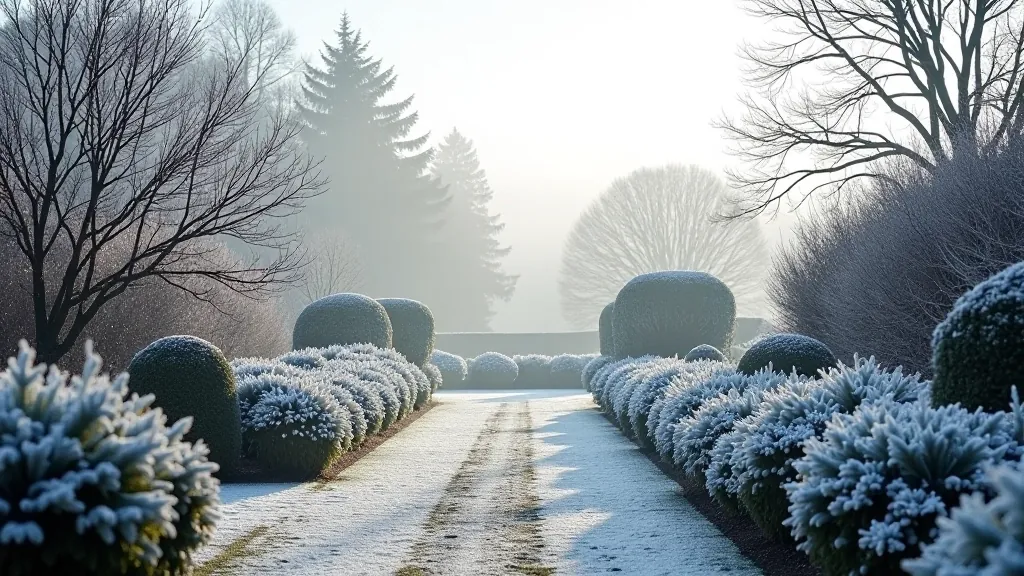
Evergreen structures become the focus — the yews, the box hedging, the conifers planted for year-round interest. Frost on these plants creates temporary artwork. The berry-bearing shrubs — cotoneasters, rowan — feed the birds, and you'll see robins, blackbirds, and thrushes working the gardens. January and February are the absolute quietest months, perfect if you prefer solitude and want to photograph the structural beauty without crowds.
Photography Tips for Each Season
Spring
Soft overcast days are ideal for flower close-ups — no harsh shadows on delicate petals. Early morning dew adds sparkle. Wide angles capture daffodil drifts. Avoid midday sun which flattens colors.
Summer
Golden hour (early morning, late evening) transforms the rose garden. Backlighting through flowers creates luminous effects. Bring a circular polarizer to manage reflections from water features.
Autumn
Peak color lasts 2-3 weeks — plan ahead. Late afternoon sun brings out warm tones in foliage. Capture reflections in the ponds. Overcast days work too, creating even color saturation.
Winter
Frost and mist create moody, atmospheric images. Lower sun angle in winter creates long shadows. Overcast days are often best — frost shows up better without harsh light.
Ready to Plan Your Visit?
Check out our practical guide to facilities, parking, and what to bring to make your garden visit comfortable and enjoyable.
Explore Visit Planning Guide