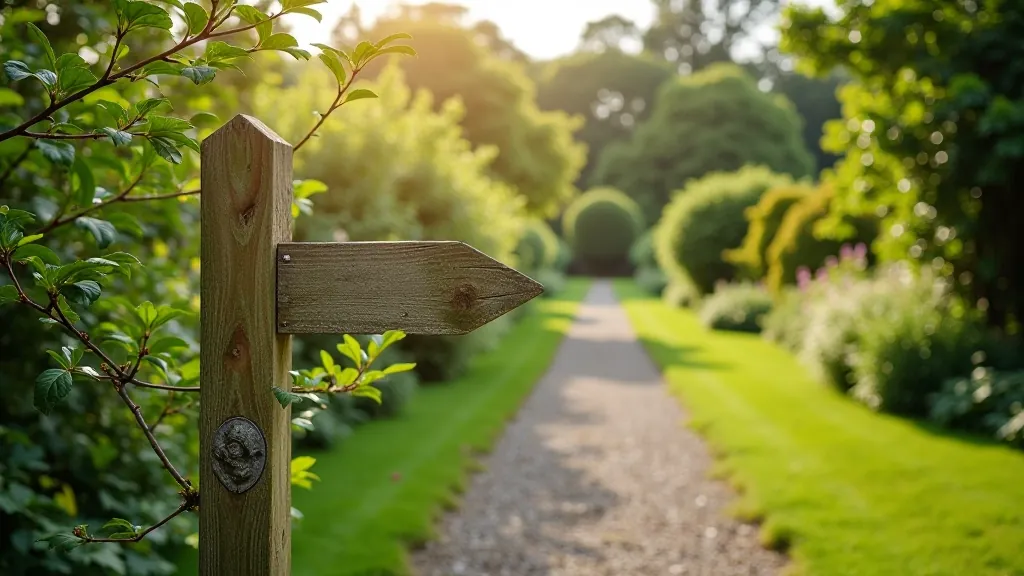

Getting Around: Path Accessibility at Colclough Gardens
What you need to know about terrain, rest areas, and navigating the different se...
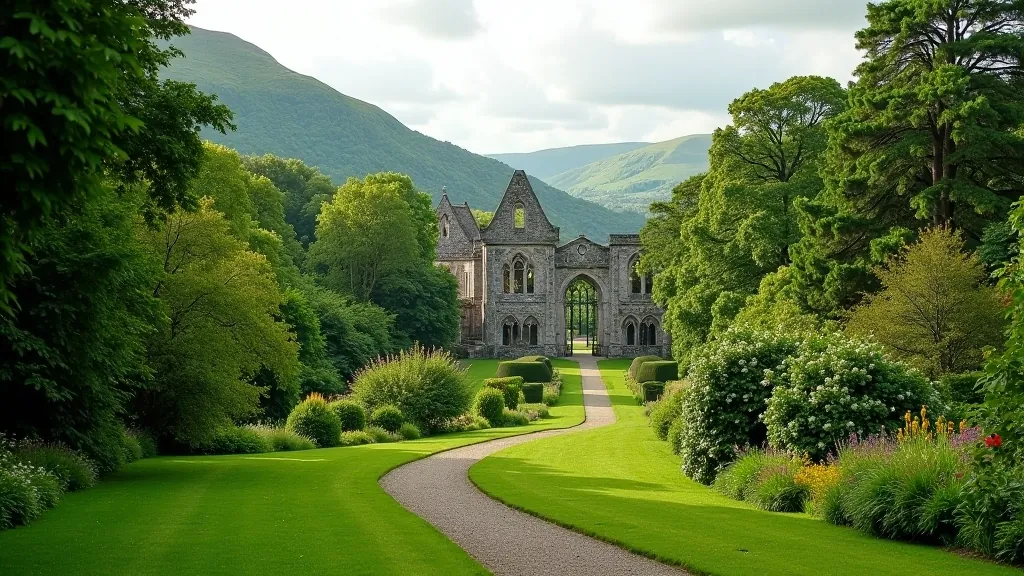

Tintern Abbey isn't just ruins—it's a story written in stone. Founded in 1207 by Norman knights, this Cistercian monastery shaped the landscape for nearly 400 years. You'll find it tucked into the Bannow Valley, where the River Tintern winds through steep woodland, and the whole setting feels like you've stepped back several centuries. Walking these grounds isn't a strenuous hike. It's more like wandering through history at your own pace, with routes that range from easy riverside strolls to slightly more challenging woodland paths.
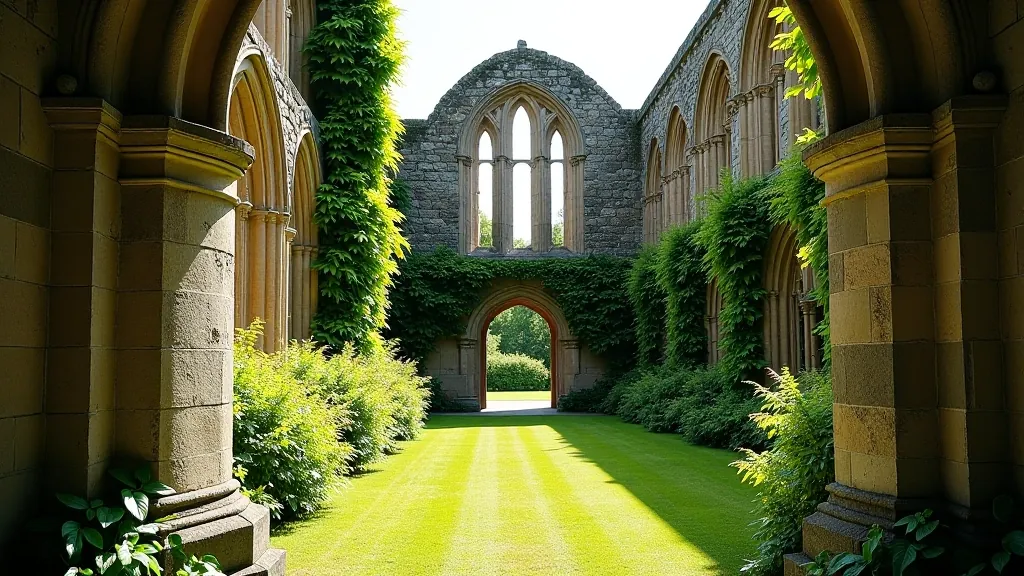
When William Marshal's descendants founded Tintern Abbey in the early 13th century, they were following a pattern—building Cistercian monasteries across Ireland and Wales. The monks here were serious about their work. They drained marshes, built mills, farmed the land, and created one of the most productive monastic communities in Leinster. The abbey grew wealthy, owned considerable lands, and by the 1400s was substantial enough to require serious fortification—you'll notice the tower still stands from that period.
Then came 1536. Henry VIII's dissolution of the monasteries meant the end for Tintern Abbey after 330 years of continuous religious life. The monks left, the lands were seized, and slowly the buildings began their long decline. What we see today—the striking Gothic windows, the substantial nave walls, the tower—represents about 10% of the original structure. But even in partial form, it's powerful.
Please note: This article provides historical and recreational information about Tintern Abbey and its grounds. While we've aimed for accuracy, circumstances change—paths can be affected by weather, visitor facilities may vary seasonally, and access conditions can shift. Always check current visitor information before planning your visit. If you have mobility concerns, contact Tintern Abbey directly to discuss the best routes for your needs.
The abbey grounds offer flexibility. You don't have to commit to a long walk to experience the place. Pick the route that suits you—or do them in sequence across different visits.
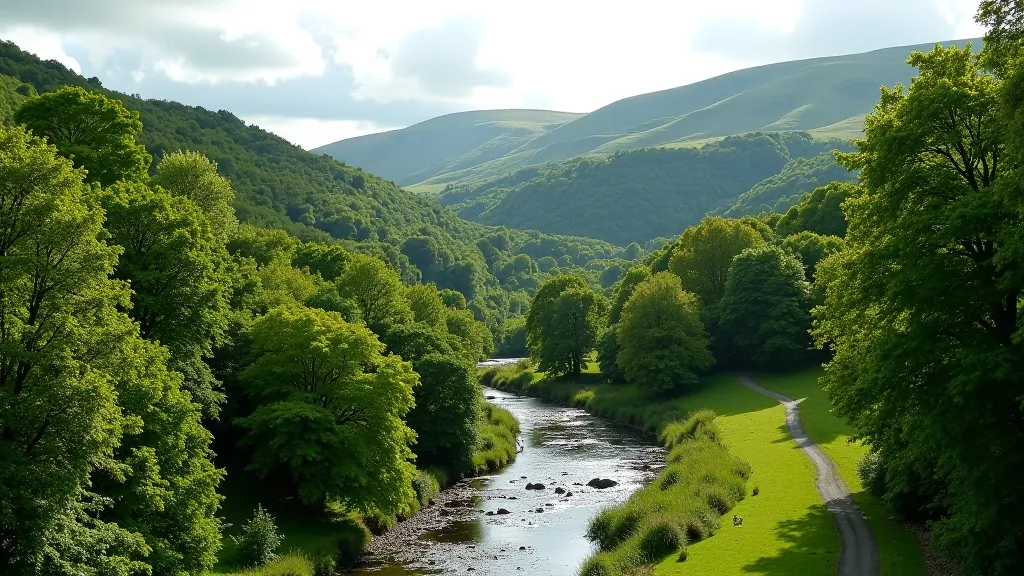
Start at the visitor car park and follow the paved path down to the abbey ruins. It's flat, well-maintained, and takes you right to the main structures. You'll see the nave, the chancel, the tower, and the cloisters in their essential form. Benches are positioned at key viewing points—rest when you need to. The path loops back along the riverside, where willows hang over the water and you might spot herons. No significant elevation change. Total distance roughly 1.2 kilometers.
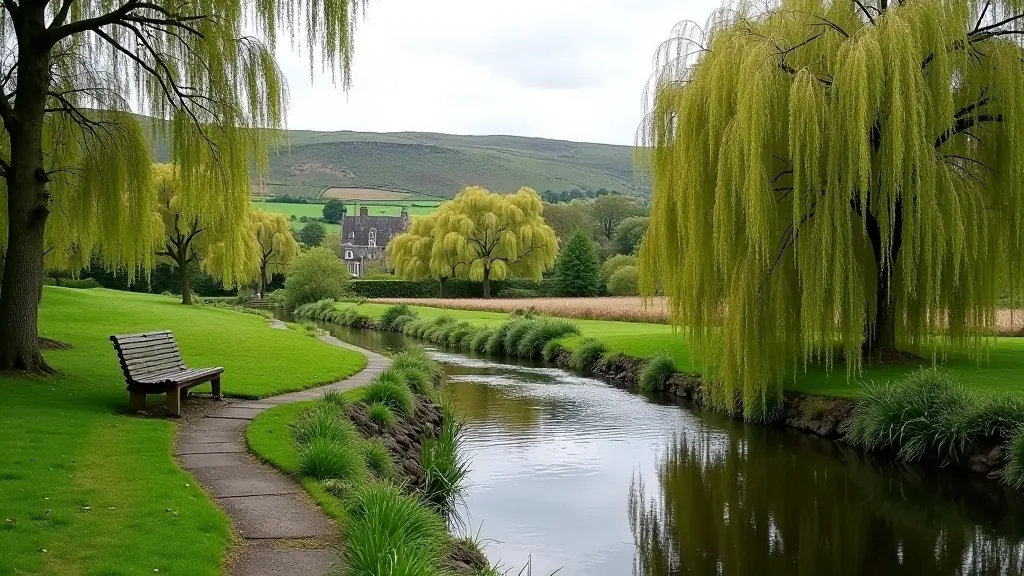
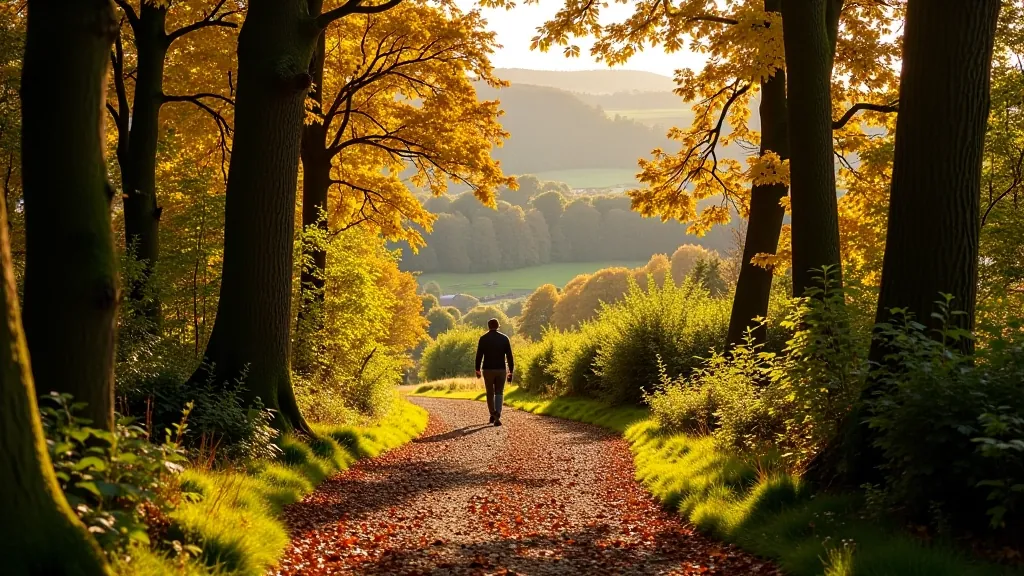
After completing the Abbey Circuit, continue past the visitor facilities toward the woodland paths. These are less formal—gravel and earth tracks rather than paved paths—so they require a bit more care with footing. You'll gain about 80 meters of elevation as you climb into the beech and oak woodland that surrounds the abbey. The reward is perspective: you look down on the abbey from the ridge, see the river winding below, and understand how the monks positioned their monastery in relation to the valley. Allow yourself to move slowly. There are a couple of steeper sections, but nothing dramatic. Bring a walking pole if that helps with stability.
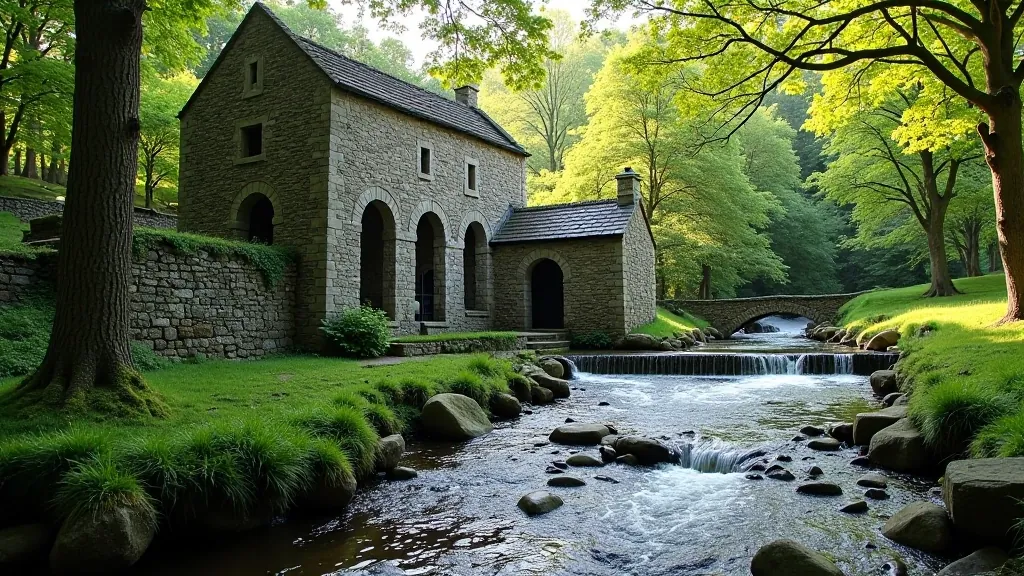
The most ambitious route combines the Abbey Circuit with the Woodland Ridge, then continues to the ruins of the old monastic mill. The monks built this mill in the 1200s to grind grain—you can still see the millrace channel carved into the hillside. The path down to the mill is steeper than the other routes and involves some scrambling over stones. It's not dangerous, but it requires attention. The return loop adds roughly 3 kilometers total. Do this route if you're comfortable with uneven terrain and don't mind a bit of a challenge. You'll have the landscape more or less to yourself, and the historical context—seeing both the abbey and the infrastructure that supported it—is remarkable.
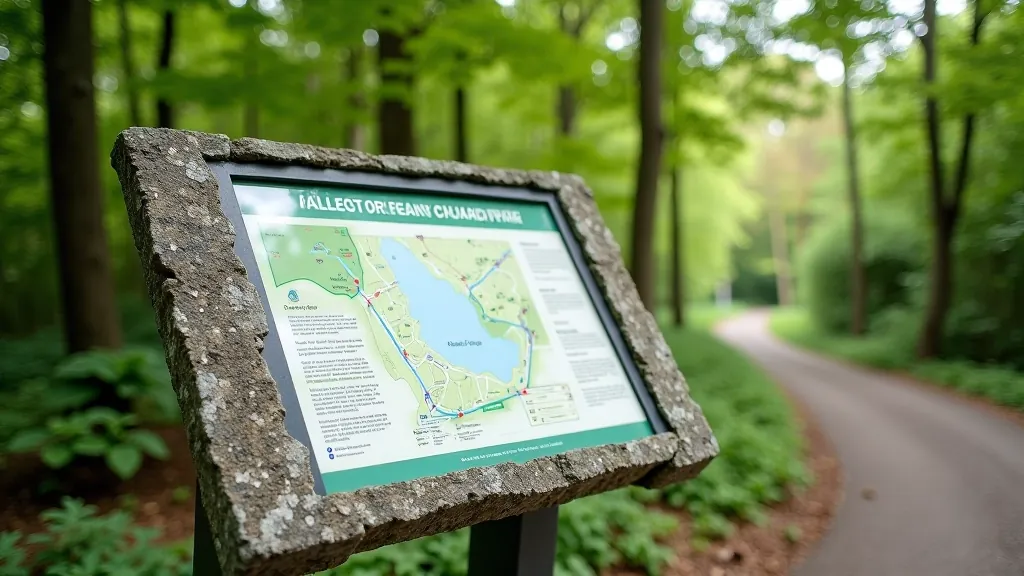
The abbey is free to visit and open year-round. There's a car park, toilets, and a small café at the visitor centre. Spring and autumn are ideal—you'll avoid summer crowds and winter's muddy paths. Bring comfortable walking shoes with good grip; the ground can be wet even days after rain. The site gets afternoon shade from the surrounding woodland, so bring sun protection for morning visits. Water is available at the visitor centre, but it's smart to carry your own bottle. There's no formal guide service, but the interpretation boards at key points tell the story clearly. If you're visiting with mobility concerns, the Abbey Circuit is your best option—it's genuinely accessible and still gives you the essential experience.
You're not just looking at old stones. You're standing in a place where real people lived, worked, prayed, and built something that lasted 330 years. The medieval monks who walked these grounds made choices about how to live—community, labor, discipline, purpose. Eight centuries later, you can still trace those choices in the landscape. The way the buildings sit in the valley, the path of the river they harnessed, the woodland they managed. It's tangible history.
Walking Tintern Abbey grounds isn't about rushing to a destination. It's about taking time to notice. Notice how the light changes as you move through the arches. Notice how quiet it gets when you step into the woodland. Notice how the river sounds different depending on where you stand. These walks work because they're designed for reflection, not achievement. That's what makes them perfect for a thoughtful morning or afternoon out.
Ready to explore more walking routes in the region?
Learn About Path Accessibility